 By Private Label Leather · Published · 4 min read
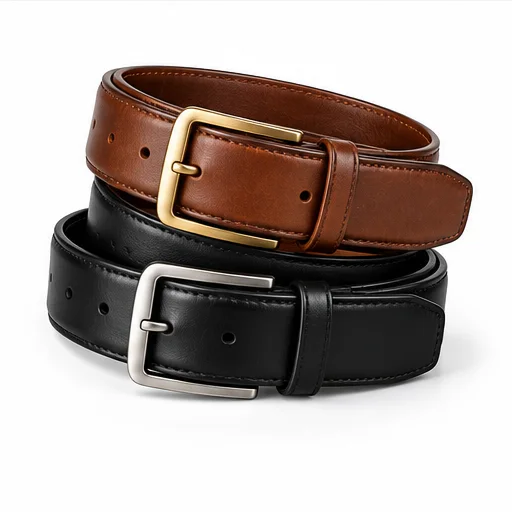
Leather is a natural material. Even from the same tannery, hides absorb dye differently, and each dye lot can shift slightly. Agreeing how colour will be controlled avoids most disputes on bulk orders.
Why colour varies
- Hide differences: thickness, density and grain vary between animals and across a single hide.
- Dye lots: each batch is dyed separately, and small differences are normal.
- Finish: aniline and semi-aniline leathers show more natural variation than pigmented, coated finishes.
- Lighting: colours can look different under daylight, shop and warehouse lighting.
How to specify colour
- Send a physical swatch where possible; a Pantone reference is a guide, not an exact match on leather.
- Approve a colour swatch or lab dip before the sample is made.
- Say which light source you will judge colour under.
Controlling colour in bulk
- Ask for each style to be cut from one dye lot where quantities allow.
- Make sure panels in a single product are cut from the same lot, so shades do not mix within one piece.
- Keep an approved colour standard with both you and the factory.
- Agree an acceptable tolerance and include shade checks in your pre-shipment inspection.
Repeat orders
Reorders are usually a new dye lot. Expect a slight difference from the previous order, and approve a new swatch against your standard before production starts.
Learn more about leather types and finishes.