 By Private Label Leather · Published · 7 min read
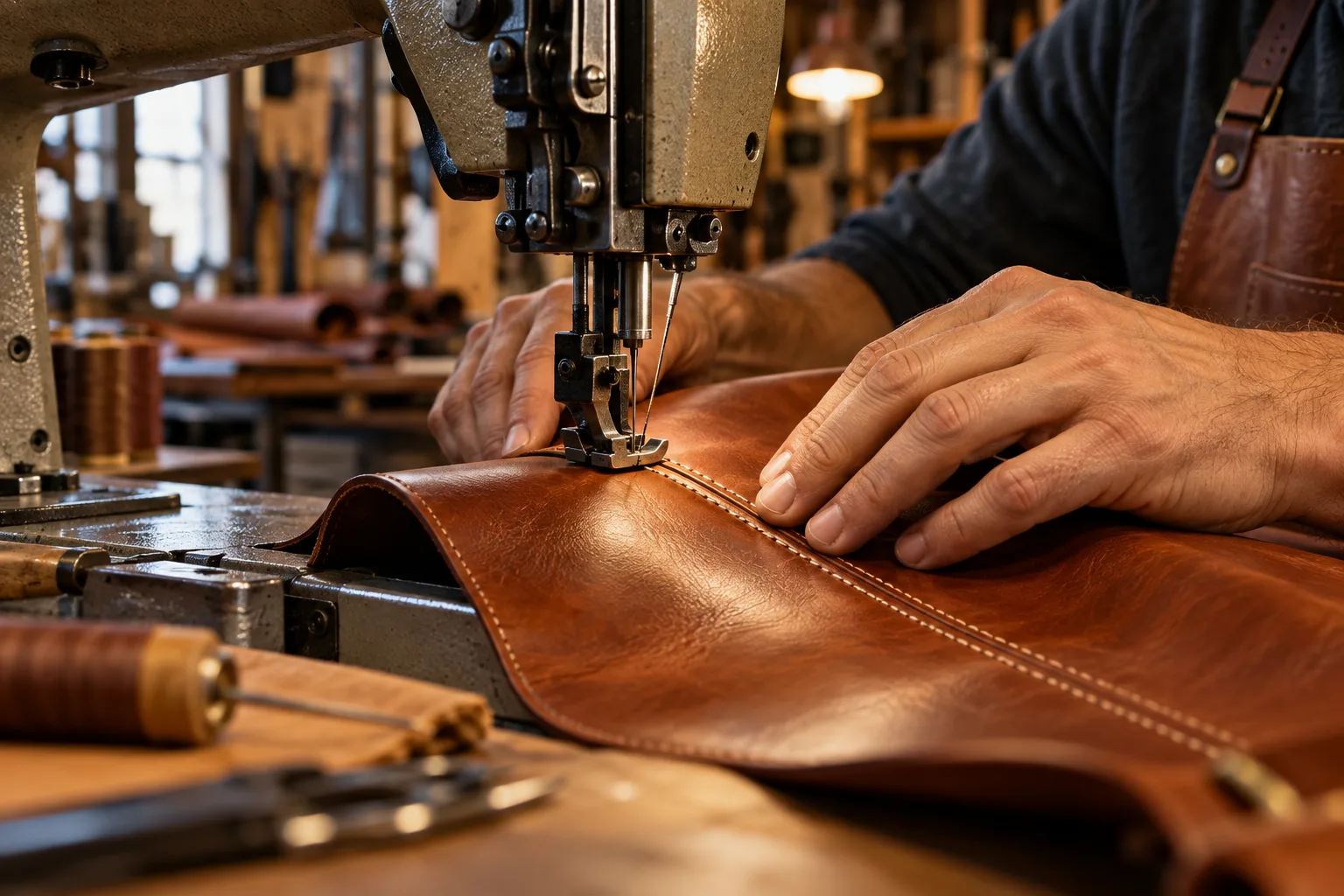
Most leather goods sold in Europe, North America and Australia are made in a handful of countries. Each has different strengths, and the right choice depends on your product, quantities, budget and how hands-on you want to be. This guide compares them in general terms — always judge an individual factory on its samples and communication, not its country.
Quick comparison
| Pakistan | China | India | Turkey | |
|---|---|---|---|---|
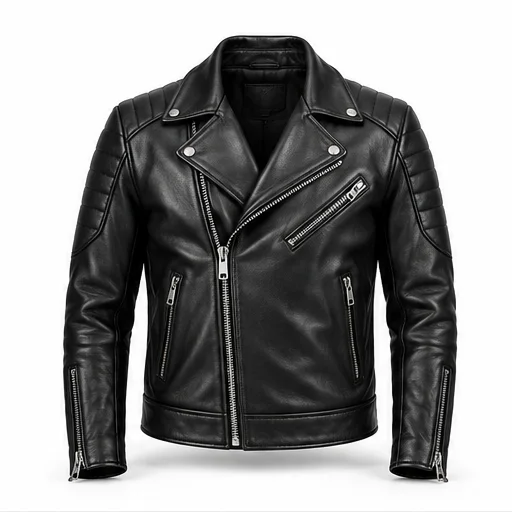
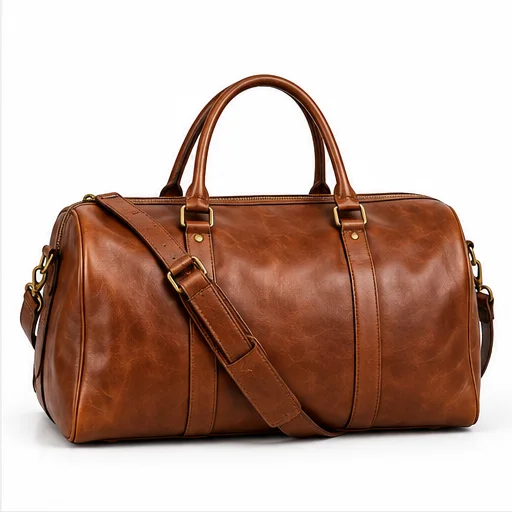
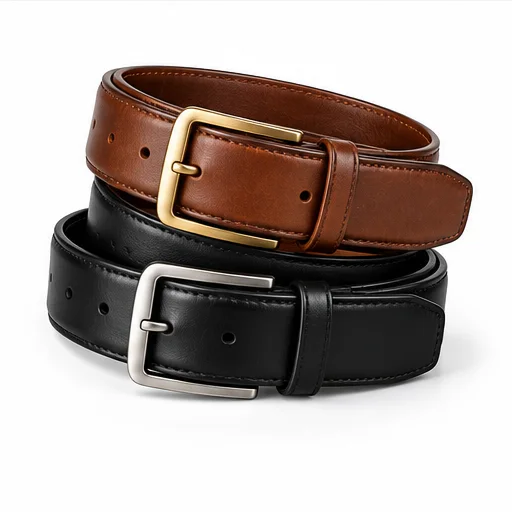
| Known for | Leather jackets and apparel, gloves, bags and small leather goods; Sialkot and Lahore are major hubs | Very wide range, high-volume bags and accessories, strong hardware and trims supply | Bags, footwear, belts and small goods; Kanpur, Chennai and Kolkata are major hubs | Fashion leather garments and accessories close to European markets |
| Typical order size | Many factories are open to small and mid-size private-label runs | Wide range; large factories favour high volumes | Wide range, from workshops to large exporters | Often mid-size, fashion-led runs |
| Cost structure | Competitive labour costs and domestic leather supply | Highly efficient at scale; costs vary widely by region | Competitive labour costs and large domestic leather industry | Higher labour costs, offset by speed to Europe |
| Shipping to Europe / US | Sea freight via Karachi; air freight from Sialkot and Lahore | Excellent sea and air connections | Good sea and air connections | Short road and sea transit to Europe |
When Pakistan is a strong fit
- Leather jackets and apparel, where cut-and-sew craftsmanship matters most.
- Gloves and small leather goods, long-standing specialities of the Sialkot region.
- New and growing brands that want private-label or OEM production without very large minimums.
- Buyers who value direct communication with the factory owner and a sample-first process.
When another country may suit you better
- China if you need very high volumes, complex hardware or many non-leather components in one supply chain.
- Turkey if speed to European stores matters more than unit cost.
- India if your range centres on footwear alongside bags and belts.
How to choose a factory in any country
- Send the same brief to a shortlist and compare quotations line by line — leather grade, lining, hardware and branding should all be named.
- Pay for samples. The sample shows you craftsmanship and communication better than any website.
- Agree defect criteria and an inspection plan before bulk production.
- Confirm trade terms (EXW, FOB, CIF or DDP) so landed cost is clear.
Read next: what determines the unit price of a leather product and Incoterms for leather orders from Pakistan.