 By Private Label Leather · Published · 6 min read
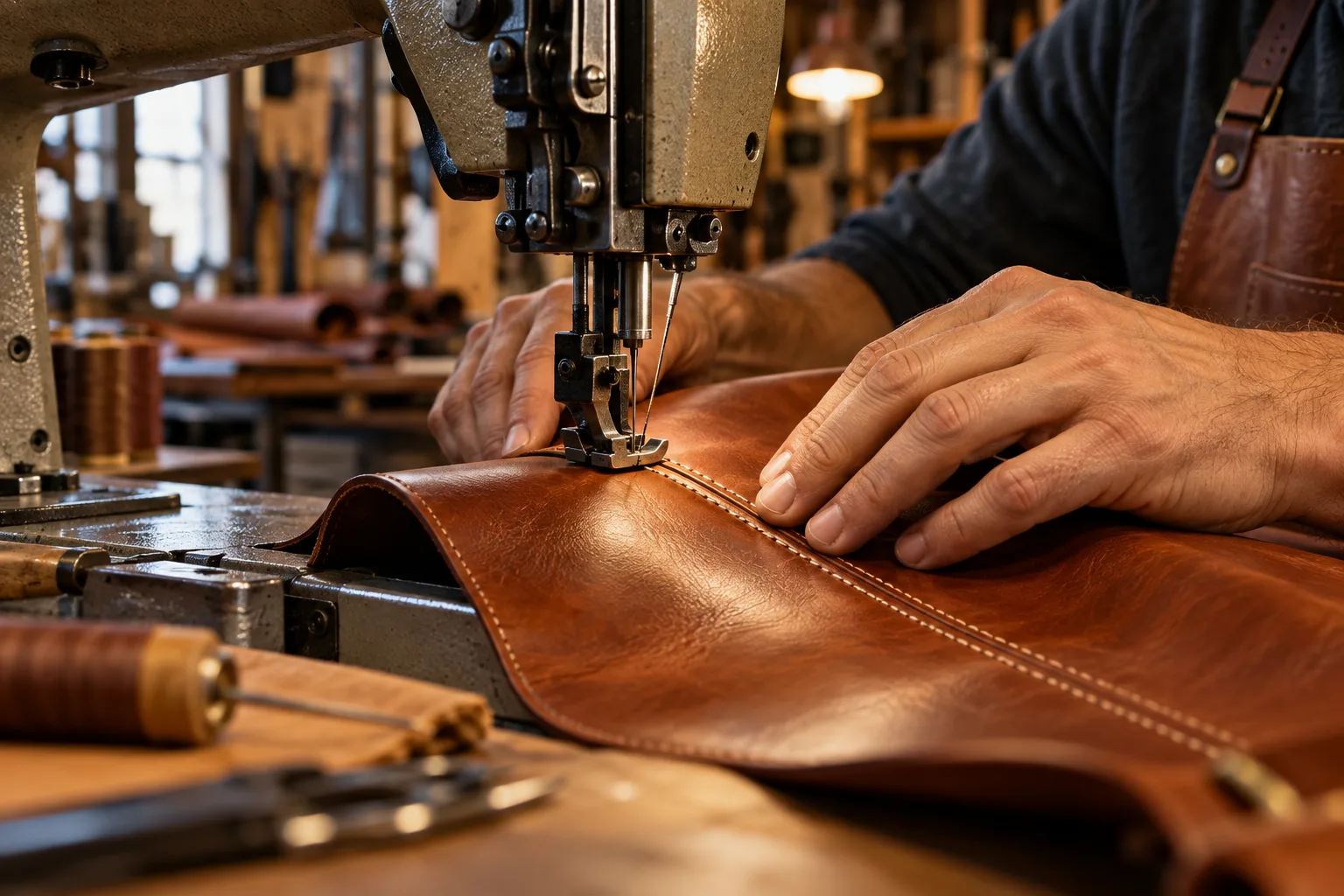
The right leather depends on what the product must do, how it should look as it ages, and how consistent it must be across a production run.
Four decisions
- Hide type — cowhide, sheepskin/lambskin, goatskin, buffalo and others differ in strength, softness and grain.
- Grade — full-grain, top-grain or split.
- Finish — aniline, semi-aniline, pigmented, waxed, and so on.
- Thickness — affects weight, structure, durability and price.
By product
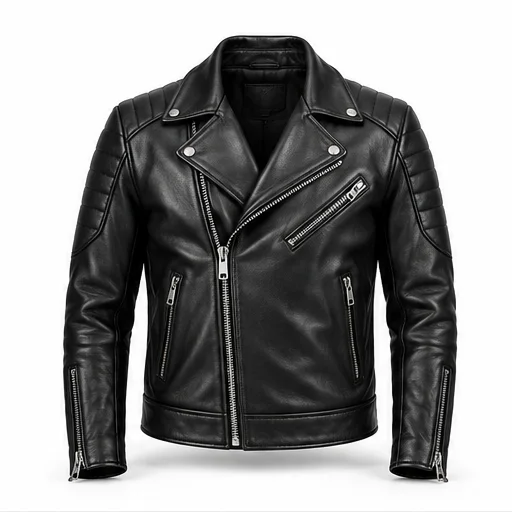
Jackets
Softness and drape usually matter most. Lambskin and sheepskin feel luxurious and light; cowhide and goatskin are tougher and suit heavier styles. Lighter weights suit fashion jackets; heavier weights give a rugged look.
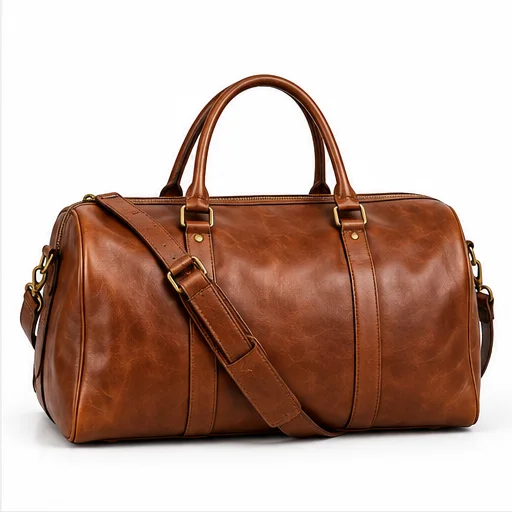
Bags
Bags take abrasion and carry weight. Firmer leathers hold shape; pebbled or pigmented finishes hide scuffs. Structured bags may need reinforcement regardless of leather weight.
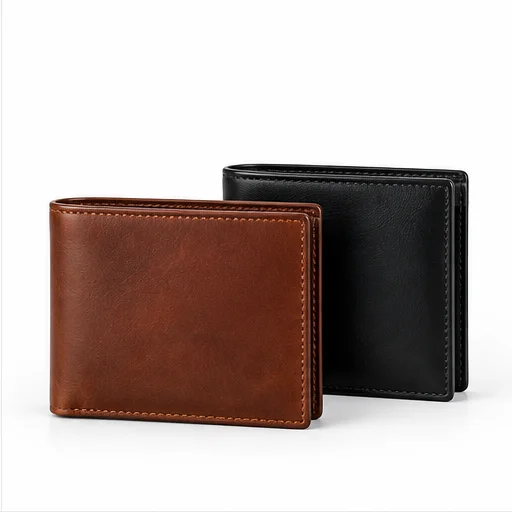
Wallets and small goods
Firm, fine-grained leather gives clean edges and crisp debossing. Thickness needs to balance strength against bulk when folded.
Belts
Thicker, firm leathers resist stretching. Edge finishing and the buckle area take the most wear.
Gloves
Thin, supple leathers such as lambskin, goatskin or deerskin allow dexterity and a close fit.
Consistency versus character
Aniline leathers show natural marks and develop patina — attractive, but every piece differs. Pigmented finishes are more uniform. Decide which matters more for your brand before sampling.
Compare options on our materials page.